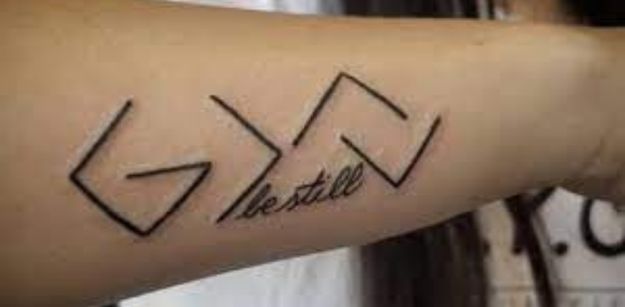
Every person has different thoughts about tattoos. For some, tattoos are a kind of art whereas for some it is more like a personality. Many people want to have tattoos like god greater than highs and lows tattoo but often get scared due to pain. Other than pain, there can be various other complications of getting a tattoo. However, if you take care of a few things then you can prevent any kind of risks and side effects. Getting a tattoo isn’t always easy as the tattoo needle injured the skin to create the design. But now getting tattoos is much safer than decades back. If you get a tattoo from a good and experienced artist, the risks will be reduced.
Risks and side effects of a tattoo
Skin infection
When you get a tattoo, it injures your skin a lot. The tattoo damages both the epidermal and dermal layers of the skin. Having a skin infection after getting a tattoo is common but not normal. Your skin needs good precautions to prevent the infection. Your tattoo artist will provide you with certain tips to prevent the infection. Most people get skin infections when non-sterile water is mixed with the ink before injection. Common symptoms of skin infection are rash and bumpy skin. Some people can also face other symptoms like fever, swelling on the tattooed area, abnormal shivering, pus coming out of the area, waves of heat and cold, etc.
Keloid scarring
It is a type of raised scar that occurs due to collagen and connective tissues. When the skin is injured these cells rush to repair the damaged area. Some people can get keloid after getting a tattoo. To seal the ink, artists prick the skin again and again with a needle. These needles cause many tiny injuries to the skin where the keloids form. Keloids’ scars are hard and raised. These scars have smooth and shiny skin and can itch.
Allergic reactions
Many people develop allergic reactions after getting a tattoo. This risk is mainly related to the ink. A person can develop allergic reactions due to tattoos at any time. Most people get the reaction immediately or after weeks. But a person can develop allergic directions decades after getting a tattoo. Most people develop skin infections due to a certain ink. A lot of people get allergic reactions due to red ink but other colors can also cause issues. When the infection occurs due to the color, you can notice certain signs on that color only. Common symptoms of allergic reactions are itch, redness, swelling, deep lumps, skin crusts, blisters, etc.
Harmful glitter use and ink poisoning
Today glitter tattoos are becoming very popular. These glitters make the tattoo more attractive. To have glitter in the tattoo, UV inks are used. This ink causes many side effects due to phosphorus in ink. It can cause rashes, yellowness, and a burning sensation. Another problem with the tattoo is ink poisoning. Getting a tattoo unhygienically can cause ink poisoning. This can cause serious infection of the skin. Today the ink is much safer. However, still many people can get an infection due to certain colors usually with brighter pigments.
Tattoos and skin cancer
Many people think that getting a tattoo may lead to skin cancer, however, this is not true. But the ink does contain a few substances that may cause cancer. Most tattoo inks have carcinogens that can cause liver or bladder cancer. Poor quality ink can cause other problems like infection, etc. Meanwhile, there is another problem with tattoos. Your tattoo can hide the possible symptoms of skin cancer or any other skin-related problems. Conditions like red patches, moles, etc often went undetected due to the tattoo.
MRI Complications
Your tattoo can cause MRI scan complications. Sometimes the test could interact with the tattoo and lead to side effects such as itching and swellings. The risk of getting complications increases when the ink quality of the tattoo is poor. You should talk to your doctor about the MRI complications due to the tattoo.
Bloodborne diseases
Sometimes people can get bloodborne diseases due to the tattoo. If the pieces of equipment used in making the tattoo have contaminated blood then the person can get the disease. While making a tattoo, the needles interact with the skin and blood. If the needle is contaminated then the person can get infected easily. Some common bloodborne diseases are hepatitis C, staphylococcus aureus, etc.
If you are planning to get a tattoo then you should do proper research. Inspect the place and check the cleanliness and hygiene. Ensure that the tattoo artist is properly trained and always wearing gloves. Also, check for equipment and ink quality to prevent the side-effects and risks.







 Bonnie Ramos Blog